How to Stay Focused and Avoid Driver Fatigue
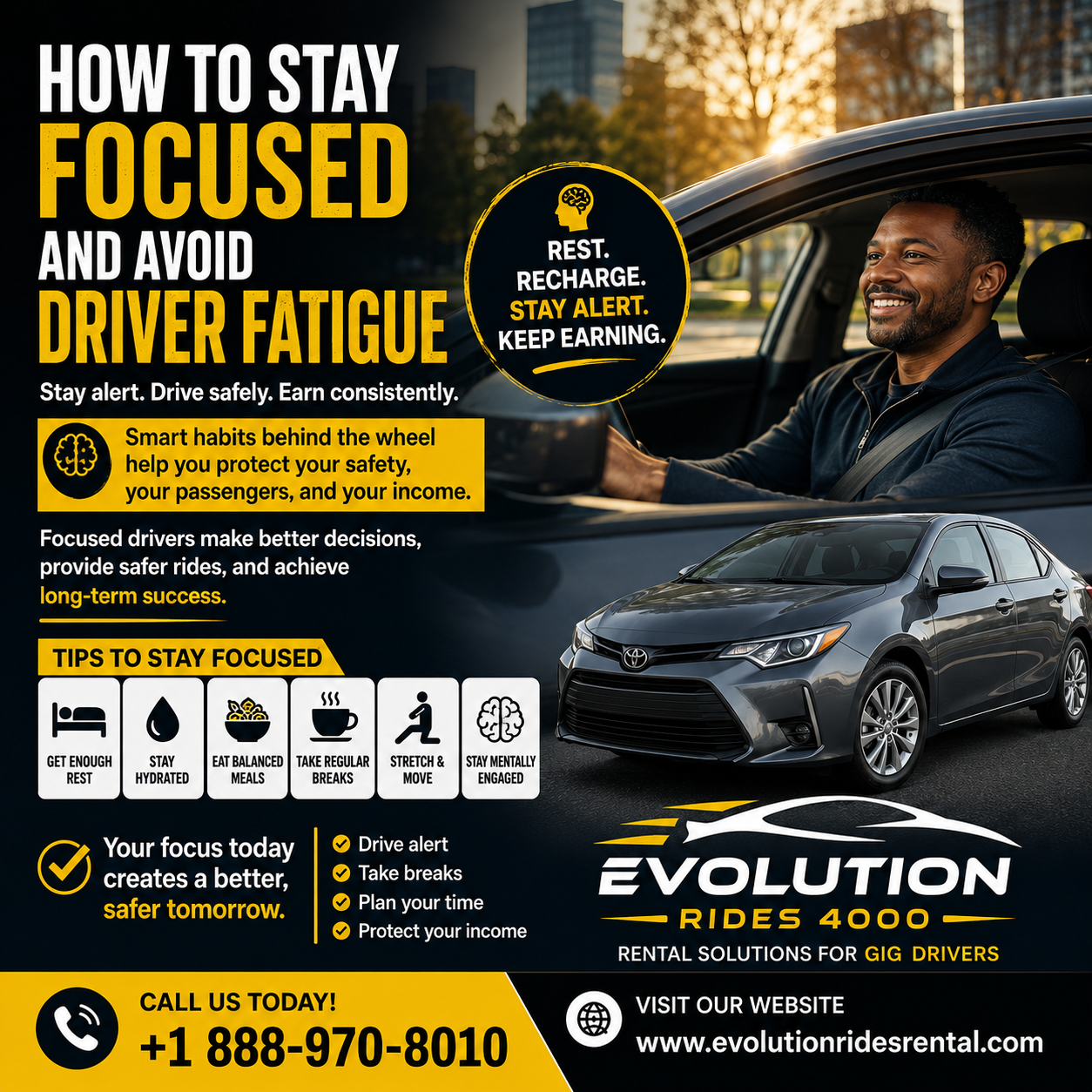
Driving for Uber or Lyft can be a rewarding way to earn income, but spending long hours behind the wheel also comes with important responsibilities. One of the biggest challenges rideshare drivers face is staying alert throughout their shift. Even experienced drivers can become tired after several hours of driving, especially during busy weekends or late-night schedules.
Many new drivers believe they can simply push through fatigue to complete a few more rides. However, tired driving can reduce concentration, slow reaction times, and increase the risk of making poor decisions on the road. Knowing when to take a break is just as important as knowing where to find your next passenger.
The good news is that driver fatigue is often preventable. By developing healthy routines, planning your schedule wisely, and recognizing the early warning signs of tiredness, you can protect both your safety and your earning potential.
In this guide, you'll learn practical ways to stay focused, reduce fatigue, and drive safely while working as an Uber or Lyft driver in Georgia.
📘 Why Staying Alert Matters
Your ability to stay focused affects every ride you complete. Alert drivers make better decisions, respond more quickly to changing road conditions, and provide a safer experience for their passengers.
Fatigue doesn't always happen suddenly. It often develops gradually through long driving hours, poor sleep, dehydration, or skipping meals. Recognizing these factors early helps you take action before your performance is affected.
For example, taking a short break after several hours of continuous driving may help you return to the road feeling more refreshed and attentive.
👉 Key takeaway: Staying alert isn't just about working longer—it's about driving safely and consistently throughout your shift.
🌟 Benefits of Managing Driver Fatigue
Building habits that reduce fatigue provides several long-term benefits.
Benefits include:
Improved driving safety.
Better concentration.
Faster reaction times.
Reduced stress while driving.
Better decision-making.
Greater passenger confidence.
More consistent driving performance.
Reduced risk of burnout.
Better overall well-being.
More sustainable long-term productivity.
Taking care of yourself allows you to take better care of your passengers.
👉 Key takeaway: Healthy driving habits support both safety and long-term success.
🛣️ Step-by-Step Guide to Staying Focused
Step 1: Get Enough Rest Before Driving
Quality sleep is the foundation of safe driving.
Before beginning your shift:
Aim for adequate sleep.
Avoid starting long shifts when you're already tired.
Give yourself time to wake up fully before driving.
Starting your day well-rested improves concentration from the beginning.
👉 Tip: A consistent sleep schedule can help maintain alertness throughout the week.
Step 2: Stay Hydrated and Eat Balanced Meals
Your body needs proper nutrition to maintain focus.
Bring:
Water.
Healthy snacks.
Balanced meals for longer shifts.
Avoid relying only on sugary drinks or fast food, which may lead to temporary energy spikes followed by fatigue.
Step 3: Take Regular Breaks
Driving continuously for long periods can increase tiredness.
During your shift:
Stretch your legs.
Walk for a few minutes.
Get fresh air.
Rest your eyes safely when parked.
Short breaks help refresh both your body and mind.
💡 Pro Tip: Taking a brief break before you feel exhausted is often more effective than waiting until you're already fatigued.
Step 4: Watch for Signs of Fatigue
Pay attention to warning signs such as:
Frequent yawning.
Difficulty concentrating.
Heavy eyelids.
Missing turns.
Feeling restless.
Slower reactions.
If you notice these signs, it's time to take a break.
Step 5: Plan Your Driving Schedule
Avoid scheduling excessively long driving sessions without rest.
Instead:
Plan reasonable shift lengths.
Include scheduled breaks.
Drive during hours when you naturally feel most alert.
Planning ahead helps reduce unnecessary fatigue.
Step 6: Keep Your Mind Engaged
Maintaining focus helps prevent mental fatigue.
Simple ways include:
Staying aware of your surroundings.
Following navigation carefully.
Monitoring traffic conditions.
Maintaining a comfortable cabin temperature.
Avoid distractions that take your attention away from driving.
👉 Key takeaway: Staying focused requires both physical and mental preparation.
💰 Managing Your Time and Energy
Protecting your energy is just as important as managing your expenses.
Consider tracking:
Hours driven.
Break frequency.
Sleep quality.
Meal schedule.
Water intake.
Healthy Driving Habits
Plan breaks before long shifts.
Carry water throughout the day.
Eat nutritious meals.
Avoid driving when extremely tired.
⚠️ Important: Your safety is always more valuable than completing one additional ride.
⚠️ Common Mistakes That Lead to Driver Fatigue
Avoid these common habits:
Driving without enough sleep.
Skipping meals.
Not drinking enough water.
Ignoring early signs of fatigue.
Driving for excessive periods without breaks.
Depending only on caffeine for energy.
Driving while feeling unwell.
Ignoring your body's warning signs.
Allowing distractions to reduce concentration.
Believing fatigue won't affect your driving.
Avoiding these mistakes helps create safer and more productive driving habits.
🎯 Expert Tips for Staying Alert
Prioritize quality sleep every night.
Start every shift well-rested.
Stay hydrated throughout the day.
Eat balanced meals instead of relying on snacks alone.
Schedule regular breaks.
Stretch during longer shifts.
Keep your premium sedan comfortable and well-ventilated.
Recognize early signs of tiredness.
Plan realistic driving schedules.
End your shift when fatigue begins affecting your concentration.
💡 Pro Tip: Successful rideshare drivers know that taking care of themselves is one of the smartest ways to protect their earning potential and drive safely.
✅ Best Practices for Staying Focused and Avoiding Driver Fatigue
Driver fatigue doesn't happen overnight—it often builds up after hours of driving, poor sleep, dehydration, or skipping breaks. The most successful Uber and Lyft drivers understand that maintaining their health and alertness is just as important as maintaining their vehicle. Staying focused helps you make better decisions, provide a safer ride, and sustain your productivity over the long term.
Follow these best practices to reduce fatigue during every shift:
Get enough sleep before going online.
Start your shift well-rested instead of trying to push through tiredness.
Stay hydrated by drinking water regularly.
Eat balanced meals and healthy snacks throughout the day.
Schedule short breaks during longer driving sessions.
Stretch your legs and walk around during breaks.
Keep your premium sedan at a comfortable temperature.
Avoid distractions while driving.
Watch for early warning signs of fatigue, such as frequent yawning or difficulty concentrating.
End your shift if you feel too tired to drive safely.
For example, if you've been driving for several hours and begin missing navigation prompts or feel your concentration slipping, taking a 10- to 15-minute break can help you return to the road feeling more refreshed and alert.
👉 Key takeaway: Protecting your energy helps protect your passengers, your vehicle, and your long-term earning potential.
❓ Frequently Asked Questions
1. What is driver fatigue?
Driver fatigue is a state of physical or mental tiredness that reduces alertness, slows reaction time, and affects decision-making while driving. It can develop gradually during long shifts or after inadequate rest.
2. Why is fatigue dangerous for rideshare drivers?
Fatigue can reduce concentration, delay reactions, and make it harder to respond to changing road conditions. Staying alert is essential for providing safe transportation to passengers.
3. How can I recognize the early signs of fatigue?
Common warning signs include frequent yawning, heavy eyelids, difficulty concentrating, drifting out of your lane, missing turns, slower reaction times, and feeling restless or irritable.
4. How often should I take breaks during a driving shift?
The ideal timing depends on your schedule and how you're feeling, but taking regular short breaks during longer shifts can help reduce fatigue and improve focus.
5. Does staying hydrated really help?
Yes. Drinking enough water supports concentration and overall well-being. Dehydration can contribute to tiredness and reduced mental performance.
6. What foods help maintain energy while driving?
Balanced meals and healthy snacks such as fruit, nuts, yogurt, or whole-grain foods can provide more consistent energy than relying on sugary snacks or energy drinks alone.
7. Can caffeine replace sleep?
No. While caffeine may temporarily increase alertness for some people, it does not replace adequate sleep or eliminate fatigue. Quality rest remains the most effective way to stay alert.
8. How can I stay mentally focused during long shifts?
Plan your route, monitor traffic conditions, minimize distractions, maintain a comfortable driving environment, and take breaks before fatigue begins affecting your concentration.
9. Should I stop driving if I feel extremely tired?
Yes. If you're struggling to stay awake or maintain focus, the safest decision is to end your shift or take a sufficient break before continuing.
10. Does a comfortable vehicle help reduce fatigue?
A well-maintained vehicle with supportive seating, good climate control, and a clean interior can contribute to a more comfortable driving experience during longer shifts.
11. How does planning my schedule help prevent fatigue?
Scheduling reasonable shift lengths, allowing time for meals and breaks, and driving during the hours when you're naturally most alert can help reduce physical and mental exhaustion.
12. What's the biggest mistake rideshare drivers make regarding fatigue?
Many drivers ignore the early warning signs and continue driving when they should be taking a break. Listening to your body and prioritizing safety helps protect both you and your passengers.
🚙 Why Choose Evolution Rides4000?
Long driving days are easier when you're behind the wheel of a dependable, comfortable vehicle. A reliable premium sedan can help reduce unnecessary stress, allowing you to focus on driving safely and serving your passengers.
That's why many Georgia rideshare drivers choose Evolution Rides4000.
Our rideshare-ready premium sedans are professionally maintained to provide comfort, reliability, and efficiency throughout every shift.
Drivers benefit from:
Fast approval process
Rideshare-ready premium sedans
Unlimited miles
Maintenance included
Clean and professionally maintained interiors
Fuel-efficient vehicles
Flexible rental options
Friendly customer support
Easy onboarding process
No hidden fees
Whether you're driving a few hours a day or working full-time, Evolution Rides4000 provides dependable vehicles that help you stay comfortable, productive, and ready for every trip.
🎉 Final Thoughts
Staying focused behind the wheel is one of the most important responsibilities of every Uber and Lyft driver. While earning more trips may be your goal, your health and safety should always come first. Getting enough sleep, staying hydrated, eating nutritious meals, taking regular breaks, and recognizing the early signs of fatigue can help you drive more safely and consistently.
Remember that successful rideshare driving isn't just about spending more hours on the road—it's about making every hour productive while protecting yourself, your passengers, and your vehicle. Building healthy driving habits today can support your long-term success and make every shift more enjoyable.
If you're looking for a dependable vehicle to support your rideshare journey, Evolution Rides4000 offers rideshare-ready premium sedans with unlimited miles, included maintenance, flexible rental options, and a fast approval process—so you can focus on driving safely and confidently every day.