How to Maximize Surge Pricing Like a Pro Driver
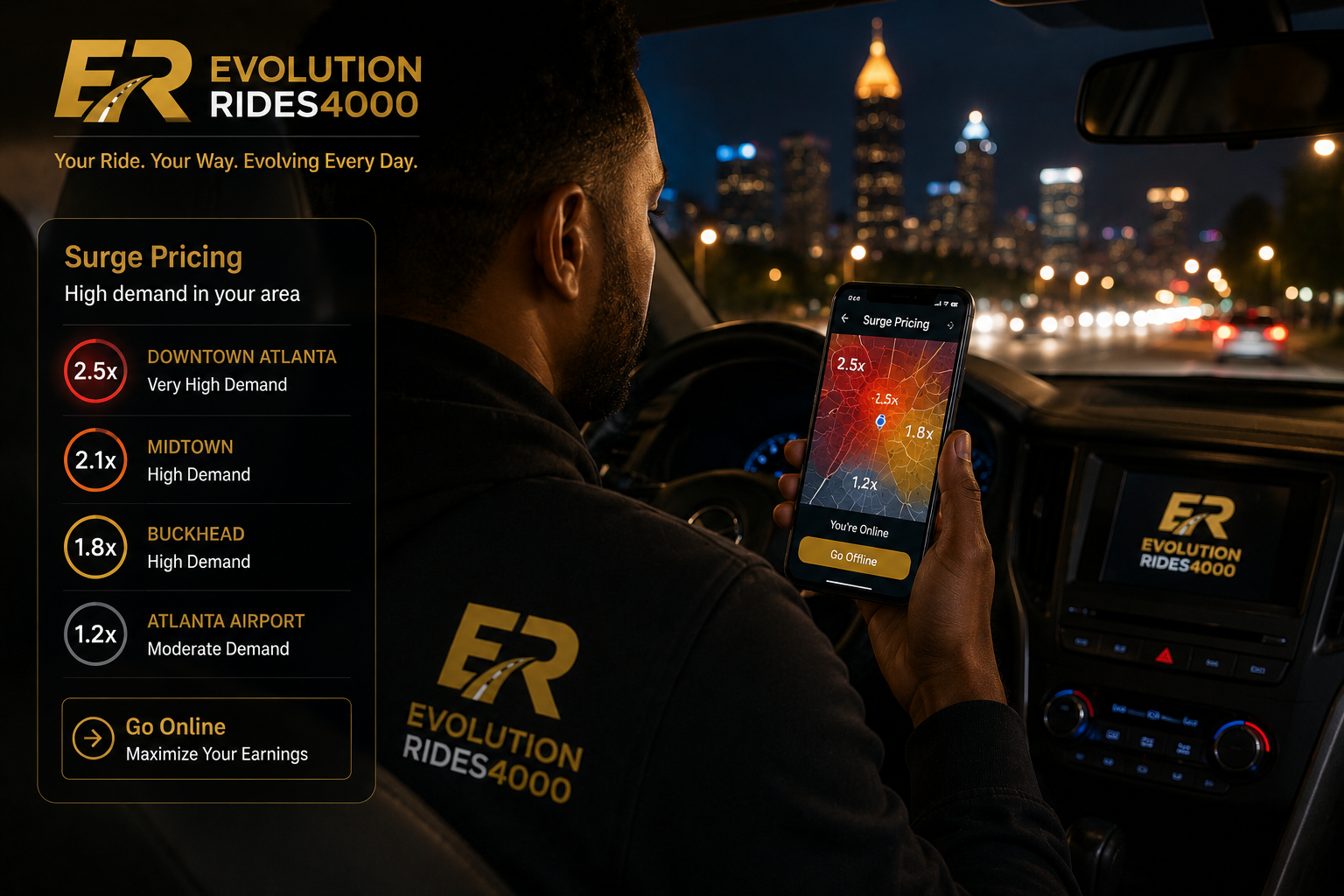
Surge pricing is one of the most powerful tools available to rideshare drivers. When used correctly, it can significantly increase earnings without requiring longer working hours. However, many drivers fail to take full advantage of surge opportunities due to a lack of strategy and understanding.
This guide explains how to approach surge pricing with a professional mindset, using proven methods to increase efficiency and maximize income while driving for platforms such as Uber Driver and Lyft Driver.
Understanding How Surge Pricing Works
Surge pricing occurs when rider demand exceeds the number of available drivers in a specific area. To encourage more drivers to move into these areas, platforms temporarily increase fares.
This increase may appear as:
A multiplier (e.g., 1.5x, 2.0x)
A fixed bonus amount added to each ride
Surge pricing is dynamic and can change rapidly based on real-time conditions. Understanding this fluctuation is essential to using it effectively.
Identifying High-Demand Patterns
Professional drivers do not rely on random chance to find surge pricing. Instead, they study demand patterns and position themselves strategically.
Common surge periods include:
Morning and evening rush hours
Weekend nights
Major local events such as concerts or sports games
Severe weather conditions
Airport arrival and departure peaks
By anticipating these patterns, drivers can be in the right place before surge pricing begins, rather than reacting after it appears.
Positioning Before the Surge Begins
One of the most important strategies is positioning yourself in high-demand areas before the surge is triggered.
Many inexperienced drivers chase surge zones after they appear on the map. By the time they arrive, the surge often disappears due to an influx of drivers.
A more effective approach is to:
Identify areas with consistent demand
Move toward those areas in advance
Remain nearby without being directly inside oversaturated zones
This increases the likelihood of receiving surge-priced rides without competing with a large number of drivers.
Avoiding the “Surge Chasing” Trap
Chasing surge zones is one of the most common mistakes among drivers. When a surge appears, many drivers rush toward the same location, causing supply to quickly exceed demand.
As a result:
Surge pricing drops or disappears
Drivers experience longer wait times
Overall efficiency decreases
A disciplined approach involves evaluating whether a surge is sustainable before moving. Short-lived surges are often not worth the time and fuel required to reach them.
Using Destination Filters Strategically
Destination filters can be used to maintain control over trip direction while still benefiting from surge pricing.
For example, if a surge is occurring in a specific area, drivers can:
Set a destination filter toward that zone
Accept rides that gradually move them closer
Avoid long, unprofitable detours
This method allows drivers to earn while repositioning, rather than driving empty miles.
Evaluating Ride Profitability During Surge
Not all surge rides are equally profitable. Professional drivers evaluate each request carefully.
Key considerations include:
Distance to the pickup location
Trip length and direction
Traffic conditions
Time required to complete the ride
A short ride with a high surge bonus may be more profitable than a long trip with moderate surge pricing. Efficiency, not just fare size, determines true earnings.
Leveraging Multiple Platforms
Operating on both Uber Driver and Lyft Driver can increase exposure to surge opportunities.
Different platforms may experience demand spikes at different times and locations. By monitoring both, drivers can select the most profitable option at any given moment.
It is important to manage this approach carefully by pausing one application when actively engaged in a trip.
Staying in Motion vs Waiting
A common question among drivers is whether to remain stationary in a surge area or continue moving.
In high-demand zones, remaining in place may be effective if requests are frequent. However, in less active areas, staying mobile can increase the chances of receiving ride requests.
Professional drivers continuously assess:
Ride request frequency
Nearby driver density
Movement of demand zones
This allows them to adjust their strategy in real time.
Managing Peak Hours Efficiently
Surge pricing is most consistent during peak hours. However, these periods also attract the highest number of drivers.
To maximize earnings during peak times:
Start driving before peak demand begins
Stay active through the entire surge window
Avoid unnecessary breaks during high-demand periods
Consistency during these hours often leads to higher cumulative earnings than sporadic driving.
Monitoring Real-Time Data
Both Uber Driver and Lyft Driver provide real-time maps and demand indicators.
Professional drivers use these tools to:
Track surge movements
Identify emerging demand zones
Make quick decisions about repositioning
Regularly checking the app ensures that drivers remain informed and responsive to changing conditions.
Controlling Costs While Chasing Surge
Maximizing surge pricing is not only about increasing revenue but also about controlling expenses.
Drivers should avoid:
Driving long distances without passengers
Idling excessively in traffic
Constant repositioning without clear demand
Fuel and time costs can quickly reduce the benefits of surge pricing if not managed carefully.
Maintaining Service Quality
Even during high-demand periods, maintaining a high level of service remains critical.
Professional drivers:
Communicate clearly with passengers
Keep vehicles clean and comfortable
Drive safely and efficiently
High ratings lead to better platform standing, which can influence access to certain ride opportunities and incentives.
Long-Term Strategy
Maximizing surge pricing should be part of a broader strategy rather than a standalone approach.
Successful drivers combine:
Surge optimization
Expense management
Efficient scheduling
Consistent performance
Over time, this integrated approach leads to more stable and higher overall earnings.
Common Mistakes to Avoid
Drivers seeking to maximize surge pricing should be aware of common pitfalls:
Chasing every surge without evaluating sustainability
Ignoring trip profitability in favor of surge labels
Overdriving during low-demand periods
Failing to track expenses
Relying solely on surge instead of overall strategy
Avoiding these mistakes is essential for maintaining profitability.
Conclusion
Surge pricing offers a significant opportunity for rideshare drivers to increase earnings, but it requires discipline, planning, and strategic thinking.
Drivers who approach surge pricing professionally—by anticipating demand, positioning effectively, and evaluating each trip—can consistently outperform those who rely on chance.
Platforms such as Uber Driver and Lyft Driver provide the tools, but success depends on how those tools are used.
By focusing on efficiency, timing, and decision-making, drivers can maximize surge opportunities and build a more profitable rideshare operation.
Many people think bad credit keeps them out of rideshare. That’s not true. Uber Driver and Lyft Driver do not check credit scores when approving drivers. The real hurdle is getting a vehicle that meets platform rules: properly registered, insured, and within required age and condition standards.
If you can’t get traditional financing, you still have options. Rideshare rental programs are often the easiest path for drivers with poor credit. These programs usually don’t rely heavily on credit scores, require little upfront cash, include insurance and maintenance, and let drivers start quickly. Approval typically looks at driving history, ID, and the ability to meet weekly rental payments rather than traditional financial metrics, making this a low-risk way to earn without long-term commitments.
Traditional auto financing is harder for people with bad credit. Expect high interest rates, large down payments, or outright denial. Even if you get a loan, monthly payments plus insurance and maintenance can eat into earnings and add unnecessary risk, so financing is generally not the best starting point.
Lease-to-own is a middle ground. It often has more flexible credit rules and can lead to ownership over time, but weekly costs are higher and you’ll be responsible for maintenance and long-term upkeep. This option fits drivers who plan to stay in rideshare for the long term and can handle a structured payment plan.
Using a family member’s or friend’s car is another practical short-term solution. The vehicle must meet platform standards and carry appropriate insurance. This allows you to start earning immediately without rental or loan costs while you save for a more permanent arrangement.
Even without credit checks, you must meet standard eligibility requirements for Uber Driver and Lyft Driver: a valid driver’s license, a clean driving record, a successful background check, and access to an eligible vehicle. With a rental program, many people complete onboarding and begin accepting rides within a week after registering, passing background checks, securing a vehicle, and activating their account.
Rentals bring steady weekly costs, so profitability requires discipline. Focus on high-demand times and busy locations, maximize completed trips, and aim to cover the rental cost early in your work week so later earnings add to net income. Avoid common mistakes like taking high-interest loans too soon, failing to track income and expenses, driving without a demand strategy, and neglecting vehicle care.
Start with a low-risk vehicle option, build consistent weekly income, put earnings toward savings and debt reduction, improve credit gradually, and transition to ownership when it’s financially sensible. Rideshare driving can support financial recovery by providing steady income to address debts and build savings. Credit history doesn’t affect how much you can earn; income depends on time invested, location, and strategy. For long-term success, control costs, work peak hours, minimize idle time, keep your vehicle in good condition, and consider using both Uber Driver and Lyft Driver to increase opportunities.
Starting a rideshare career with bad credit is achievable if you focus on vehicle access, choose the right entry option, and maintain disciplined financial and operational habits.