Rideshare Driver Earnings Breakdown (Real Numbers Explained)
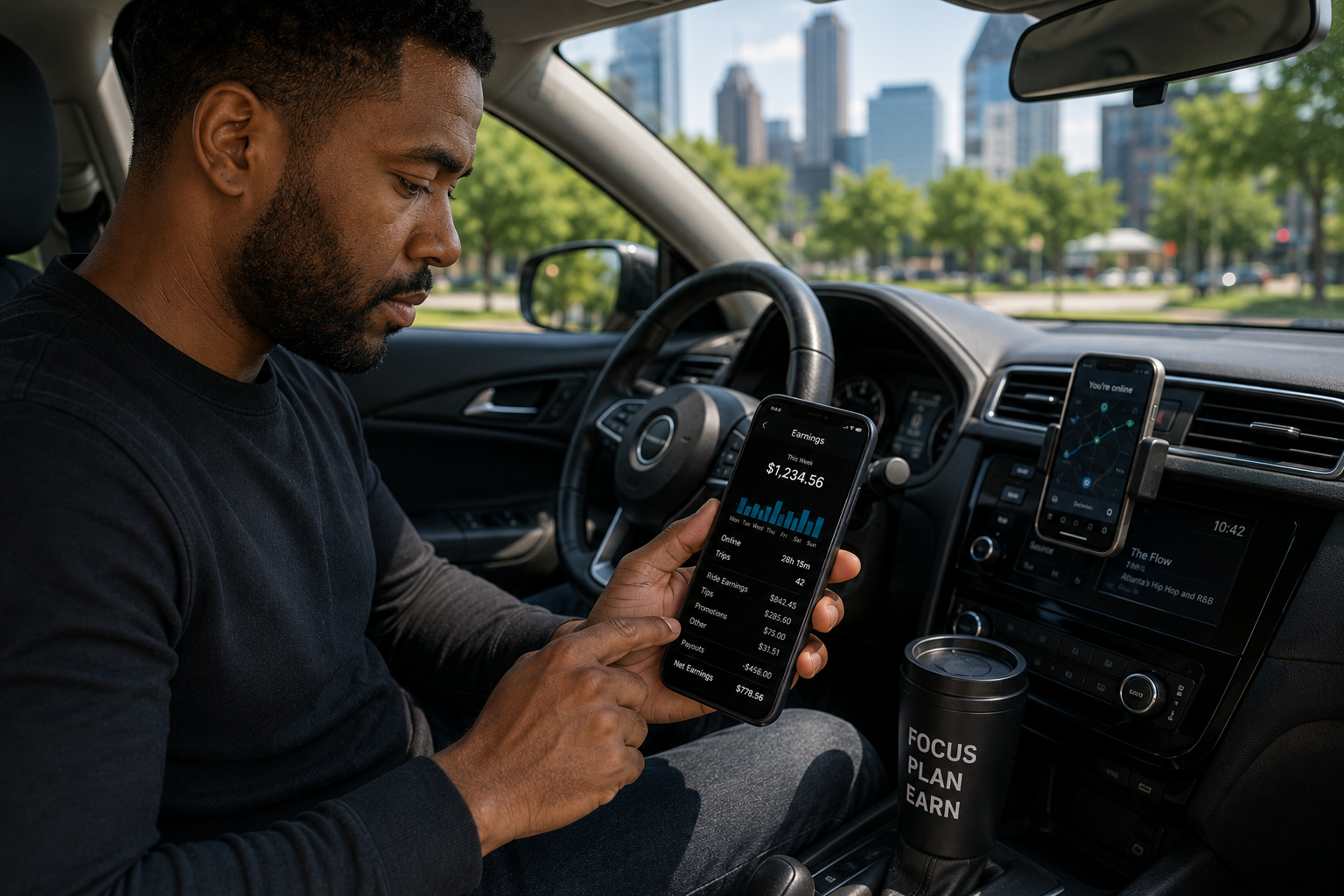
If you’re thinking about becoming a rideshare driver—or already driving for platforms like Uber Driver or Lyft Driver—you’ve probably asked:
👉 “How much do drivers actually make?”
The answer isn’t just one number. Rideshare income depends on your hours, location, strategy, and—most importantly—your expenses.
This guide breaks down real earnings, explains how the system works, and shows you what you can realistically expect.
💰 Gross vs Net Earnings (Most Important Concept)
Before anything else, you need to understand the difference between gross and net earnings.
Gross earnings are the total amount you make from trips. This includes fares, tips, and bonuses.
Net earnings are what you actually keep after expenses like gas, maintenance, and insurance.
👉 The key formula is simple:
Net Earnings = Gross Earnings – Expenses
Many drivers focus only on gross income, but your real success depends on your net profit.
📊 Real Weekly Earnings Example (No Tables)
Let’s say you earn around $1,200 in a week driving full-time.
From that amount, you might spend:
Around $200 on gas
About $50 on maintenance
Around $100 on insurance
Another $50 on miscellaneous costs
That leaves you with approximately $800 in net profit.
👉 So while it looks like you made $1,200, your real income is closer to $800.
⏱️ Hourly Earnings Explained
Your hourly income can vary a lot depending on how you drive.
Most drivers earn:
Around $18–$30 per hour (gross)
Around $12–$25 per hour (net after expenses)
Top-performing drivers can reach $25–$35+ per hour by using smart strategies.
👉 The difference comes down to efficiency, not just time spent driving.
🚗 Where Your Earnings Come From
Your income is made up of several parts:
Base fare (starting amount per trip)
Pay per mile and per minute
Surge pricing during high demand
Tips from passengers
Bonuses and incentives from the app
These combined determine your total earnings.
📍 Location Matters More Than You Think
Driving in a busy city like Atlanta will give you:
More ride requests
Less waiting time
Higher chances of surge pricing
In smaller areas, you may spend more time waiting and earn less per hour.
👉 Your location directly impacts your income potential.
⛽ Expenses: The Hidden Factor
Expenses are what separate average drivers from profitable drivers.
Your biggest costs include:
Fuel (usually the largest expense)
Maintenance and repairs
Insurance
Vehicle depreciation
Most drivers spend around $200–$400 per week on expenses.
👉 Controlling these costs is the fastest way to increase your profit.
🚘 Understanding Cost Per Mile
To truly understand your income, you need to think in terms of cost per mile.
For example:
If you earn $1.20 per mile
And spend $0.40 per mile
Your real profit is $0.80 per mile.
👉 The goal is to maximize what you earn per mile while minimizing costs.
📉 Why Some Drivers Earn Less
Some drivers struggle because they:
Drive during slow hours
Accept every ride without thinking
Stay in low-demand areas
Ignore their expenses
👉 These mistakes can drop earnings below $15/hour.
🚀 How Top Drivers Maximize Earnings
Successful drivers treat rideshare like a business.
They:
Drive during peak hours only
Stay in high-demand locations
Use both Uber Driver and Lyft Driver
Track expenses daily
Choose profitable trips carefully
👉 These strategies can increase income by 30–50% or more.
📊 Weekly Earnings Scenarios (Explained)
A beginner driver working part-time might earn between $300 and $700 per week after expenses.
An average full-time driver can make around $800 to $1,200 per week.
An experienced and strategic driver can earn $1,200 to $1,800 or more weekly.
👉 The difference is not just hours—it’s strategy.
🧠 Efficiency vs Time (Critical Insight)
Two drivers can earn the same amount—but one works less.
For example:
One driver works 10 hours to make $200
Another works 6 hours to make $200
The second driver earns much more per hour.
👉 Efficiency is the real key to higher income.
📱 Multi-App Strategy
Many drivers increase earnings by using both:
Uber Driver
Lyft Driver
This allows them to:
Get more ride requests
Reduce downtime
Stay consistently busy
👉 Just remember to pause one app when accepting a ride.
⏳ Timing Is Everything
The best times to drive are:
Morning rush hours
Evening rush hours
Weekend nights
The worst times are:
Midday weekdays
Late mornings
👉 Driving at the right time can double your earnings.
📦 Bonuses and Incentives
Rideshare platforms offer extra income through:
Weekly ride bonuses
Streak incentives
Promotions
For example, completing a set number of rides can earn you an extra $50–$200.
👉 These bonuses can significantly boost your total income.
🚗 Vehicle Choice Impacts Profit
The type of car you drive matters a lot.
Fuel-efficient vehicles:
Cost less to operate
Increase your net earnings
Hybrid cars are especially popular among top drivers.
👉 The right car can save you thousands per year.
📉 Depreciation (The Hidden Cost)
Every mile you drive reduces your car’s value.
Over time, this can add up to thousands of dollars per year.
👉 Many drivers ignore this—but it’s a real expense.
📊 Monthly Earnings Reality
A typical full-time driver might:
Earn around $4,800 gross per month
Spend about $1,200 on expenses
This leaves around $3,600 in net income.
👉 Your real income depends on how well you manage costs.
⚖️ Is Rideshare Driving Worth It?
It can be worth it if you:
Drive strategically
Track your expenses
Focus on efficiency
It may not be worth it if you:
Drive randomly
Ignore costs
Work inefficient hours
👉 Success depends on your approach.
🔥 Pro Tips to Increase Your Income
To maximize your earnings:
Focus on high-demand areas
Avoid long pickup distances
Track your cost per mile
Maintain your vehicle regularly
Drive during peak hours
👉 Small improvements can lead to big income gains.
📈 Long-Term Growth
As you gain experience, you will:
Learn the best locations
Improve your efficiency
Reduce expenses
👉 Over time, your earnings can increase significantly.
🚗 Final Thoughts
Rideshare driving offers real earning potential—but only if you understand the numbers behind it.
👉 Average drivers make decent income
👉 Smart drivers maximize profit
By focusing on net earnings, efficiency, and strategy, you can turn rideshare driving into a consistent and profitable opportunity.
Platforms like Uber Driver and Lyft Driver provide the tools—but your decisions determine your results.