The Importance of Vehicle Inspections for Rideshare Drivers
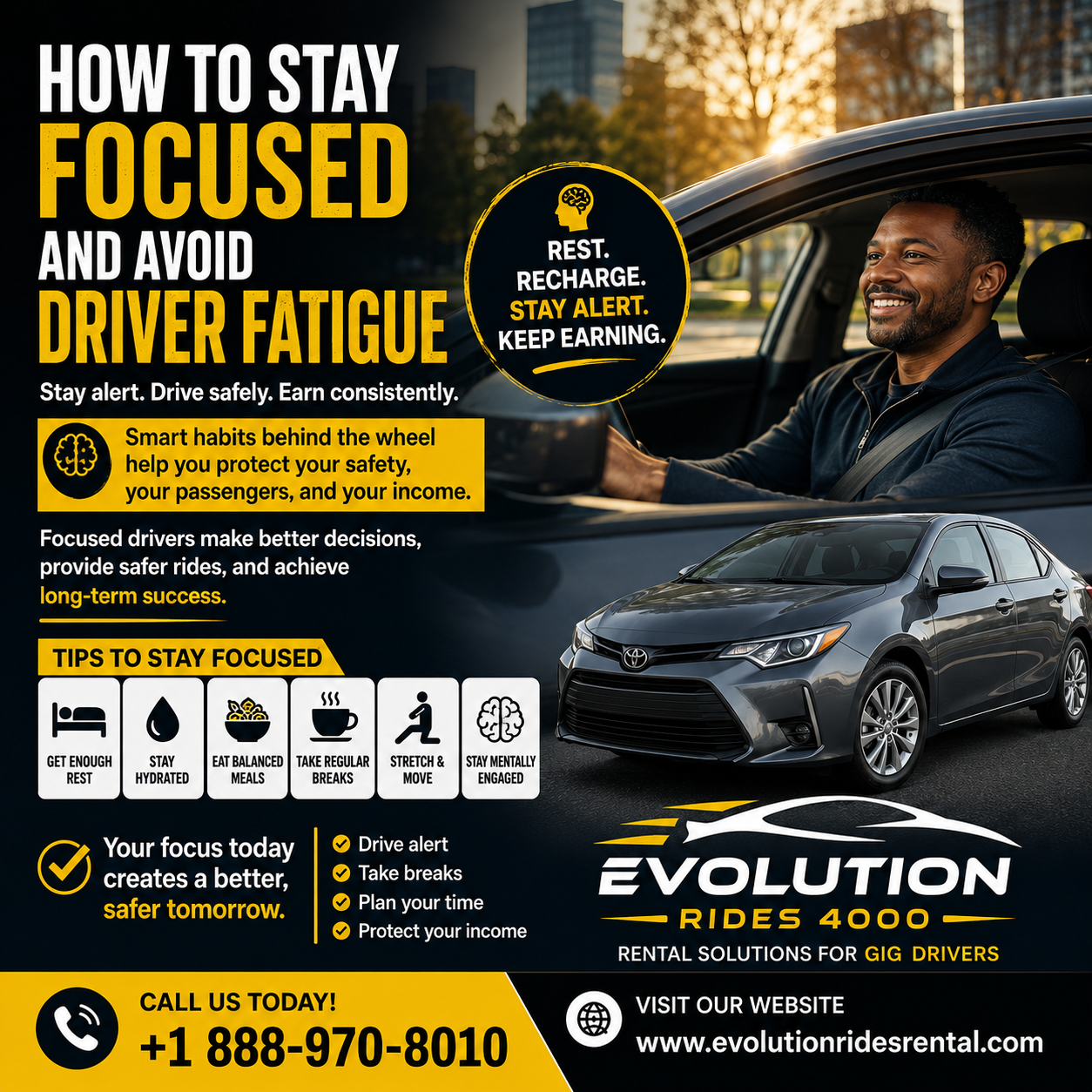
If you drive for Uber or Lyft, your vehicle is more than just transportation—it's your business. Every ride you complete depends on having a safe, reliable vehicle that performs well throughout the day. That's why regular vehicle inspections are one of the most important habits every rideshare driver should develop.
Many drivers think inspections are only necessary when something feels wrong or before an official rideshare inspection. In reality, quick routine inspections can help identify small issues before they become expensive repairs or cause unexpected downtime.
Whether you're driving part-time or full-time in Georgia, taking a few minutes to inspect your vehicle before each shift can improve safety, reduce operating costs, and help you provide a better experience for every passenger.
In this guide, you'll learn why vehicle inspections matter, what to check, and how this simple routine can support your long-term success as a rideshare driver.
📘 Why Vehicle Inspections Matter
Your vehicle experiences significantly more wear than the average personal car because of the higher mileage accumulated through daily rideshare driving. Small problems can develop gradually and often go unnoticed until they become major repairs.
Routine inspections help you identify these issues early, allowing you to address them before they affect your driving schedule or passenger safety.
For example, noticing a tire with uneven wear before your shift gives you the opportunity to have it inspected before it becomes a larger safety concern.
👉 Key takeaway: Regular inspections help prevent small problems from becoming expensive interruptions.
🌟 Benefits of Regular Vehicle Inspections
Consistent inspections provide many long-term benefits.
Benefits include:
Improved driver and passenger safety.
Greater vehicle reliability.
Reduced unexpected breakdowns.
Better fuel efficiency.
Lower long-term maintenance costs.
Increased driving confidence.
Better vehicle performance.
Less downtime.
Longer vehicle lifespan.
More consistent earning opportunities.
A few minutes spent inspecting your vehicle can save hours of unexpected repairs later.
👉 Key takeaway: Routine inspections help keep your vehicle road-ready and dependable.
🛣️ Step-by-Step Guide to Inspecting Your Vehicle
Step 1: Check Your Tires
Your tires directly affect safety and fuel efficiency.
Inspect:
Tire pressure.
Tread depth.
Uneven wear.
Visible damage.
Objects lodged in the tire.
Proper tire maintenance supports safer driving and longer tire life.
👉 Tip: Check tire pressure when the tires are cold for the most accurate reading.
Step 2: Inspect Exterior Lights
Confirm that all lights are working properly.
Check:
Headlights.
Brake lights.
Turn signals.
Reverse lights.
Hazard lights.
Working lights improve visibility and help communicate your intentions to other drivers.
Step 3: Check Fluid Levels
Several vehicle systems depend on proper fluid levels.
Inspect:
Engine oil.
Coolant.
Brake fluid.
Windshield washer fluid.
Transmission fluid (if applicable).
Low fluids can lead to poor vehicle performance or mechanical problems.
💡 Pro Tip: Make fluid checks part of your weekly routine, even if your vehicle appears to be running normally.
Step 4: Test the Brakes
Before starting your shift, pay attention to how your brakes feel.
Watch for:
Unusual noises.
Vibrations.
Soft brake pedal.
Longer stopping distances.
If something feels unusual, have the brakes inspected before continuing to drive.
Step 5: Keep the Interior Clean
Passenger comfort begins with a clean vehicle.
Before each shift:
Remove trash.
Vacuum the floor.
Clean windows.
Wipe high-touch surfaces.
Organize personal items.
A clean interior creates a more professional experience.
Step 6: Watch for Dashboard Warning Lights
Never ignore warning lights.
If a warning light appears:
Review your owner's manual.
Determine whether immediate service is required.
Schedule maintenance promptly when appropriate.
Ignoring warning lights can lead to larger mechanical problems.
👉 Key takeaway: Small daily inspections can prevent major repairs and help you stay on the road.
💰 Understanding Inspection-Related Costs
Routine inspections are inexpensive compared to emergency repairs.
Common maintenance expenses include:
Tire maintenance.
Oil changes.
Brake inspections.
Fluid replacements.
Light bulb replacements.
Budgeting Tips
Set aside money each month for routine maintenance.
Schedule preventive inspections regularly.
Replace worn parts before they fail.
Keep maintenance records organized.
⚠️ Important: Preventive inspections usually cost far less than repairing damage caused by neglected maintenance.
⚠️ Common Inspection Mistakes
Avoid these common mistakes:
Skipping pre-shift inspections.
Ignoring dashboard warning lights.
Forgetting to check tire pressure.
Overlooking fluid levels.
Driving with worn tires.
Ignoring unusual noises.
Delaying brake inspections.
Neglecting exterior lights.
Waiting until something breaks.
Failing to keep maintenance records.
Avoiding these mistakes helps reduce downtime and improve vehicle reliability.
🎯 Expert Tips for Better Vehicle Inspections
Perform a quick inspection before every shift.
Follow your manufacturer's maintenance schedule.
Keep tires properly inflated.
Replace worn windshield wipers promptly.
Monitor dashboard warning lights.
Keep your premium sedan clean inside and out.
Address unusual noises immediately.
Schedule professional inspections regularly.
Keep maintenance records organized.
Treat inspections as part of your daily driving routine.
💡 Pro Tip: A five-minute inspection before every shift can help prevent hours of unexpected downtime later.
✅ Best Practices for Vehicle Inspections for Rideshare Drivers
A consistent inspection routine is one of the easiest ways to keep your rideshare vehicle safe, reliable, and ready to earn. Spending just a few minutes checking your vehicle before each shift can help you identify potential problems early, reduce unexpected downtime, and create a better experience for every passenger.
Follow these best practices before heading out:
Perform a quick walk-around inspection before every shift.
Check tire pressure, tread depth, and look for visible damage.
Test your headlights, brake lights, turn signals, and hazard lights.
Monitor engine oil, coolant, brake fluid, and windshield washer fluid.
Pay attention to dashboard warning lights and address them promptly.
Listen for unusual noises while starting or driving your vehicle.
Keep your premium sedan clean inside and out.
Follow the manufacturer's recommended maintenance schedule.
Keep a record of inspections and completed maintenance.
Schedule professional inspections whenever you notice changes in vehicle performance.
For example, discovering a slow tire leak before your shift allows you to repair it before it becomes a flat tire that interrupts your day and results in lost earning opportunities.
👉 Key takeaway: A few minutes spent inspecting your vehicle today can help prevent costly repairs and missed driving opportunities tomorrow.
❓ Frequently Asked Questions
1. Why are vehicle inspections important for rideshare drivers?
Vehicle inspections help identify safety concerns and maintenance issues before they become major problems. Regular inspections improve reliability, reduce unexpected breakdowns, and help keep both drivers and passengers safe.
2. How often should I inspect my vehicle?
A quick visual inspection before every shift is a good habit. More detailed inspections and maintenance should follow your manufacturer's recommended service schedule.
3. What should I check before every shift?
Inspect your tires, lights, windshield, mirrors, fluid levels when appropriate, dashboard warning lights, brakes, and the overall cleanliness of your vehicle.
4. Why should I pay attention to dashboard warning lights?
Warning lights often indicate mechanical or safety issues that should be addressed promptly. Ignoring them may lead to larger repairs and unnecessary downtime.
5. How do tire inspections improve safety?
Checking tire pressure, tread depth, and visible wear helps improve traction, fuel efficiency, and handling while reducing the risk of tire-related problems.
6. Should I inspect my lights regularly?
Yes. Properly functioning headlights, brake lights, and turn signals improve visibility and help other drivers understand your intentions on the road.
7. Does keeping my vehicle clean count as part of an inspection?
Absolutely. Cleaning allows you to notice damage more easily while also creating a professional and comfortable environment for passengers.
8. How can inspections reduce operating costs?
Finding small issues early often prevents more expensive repairs later. Preventive maintenance also helps reduce unexpected downtime that can affect your earnings.
9. Should I keep maintenance records?
Yes. Organized maintenance records help you stay on schedule for routine service and provide valuable documentation for future vehicle ownership or resale.
10. What should I do if I notice something unusual during an inspection?
If you notice unusual noises, fluid leaks, warning lights, or changes in vehicle performance, arrange for the vehicle to be inspected and repaired before continuing to drive if safety could be affected.
11. Do professional inspections replace daily inspections?
No. Professional inspections are important, but daily visual checks help identify issues that can develop between scheduled service appointments.
12. What's the biggest inspection mistake rideshare drivers make?
Many drivers wait until a problem becomes obvious before checking their vehicle. Regular inspections help identify issues early when they're often easier and less expensive to fix.
🚙 Why Choose Evolution Rides4000?
Reliable vehicles begin with proper maintenance and regular inspections. At Evolution Rides4000, we understand that dependable transportation is essential for every Uber and Lyft driver.
That's why our rideshare-ready premium sedans are professionally maintained, allowing drivers to spend less time worrying about vehicle reliability and more time focusing on serving passengers.
Drivers choose Evolution Rides4000 because we provide:
Fast approval process
Rideshare-ready premium sedans
Unlimited miles
Maintenance included
Clean and professionally maintained interiors
Fuel-efficient vehicles
Flexible rental options
Friendly customer support
Easy onboarding process
No hidden fees
Whether you're just beginning your rideshare journey or driving full-time across Georgia, Evolution Rides4000 provides dependable vehicles designed to support your success every mile of the way.
🎉 Final Thoughts
Regular vehicle inspections are one of the simplest yet most valuable habits a rideshare driver can develop. By taking a few minutes before each shift to inspect your vehicle, you can improve safety, reduce unexpected repairs, protect your earning potential, and provide a better experience for every passenger.
Remember that successful rideshare driving isn't only about completing more trips—it's also about keeping your vehicle in excellent condition so it's ready to perform day after day. Consistent inspections, preventive maintenance, and prompt attention to small issues can help extend your vehicle's lifespan and reduce long-term operating costs.
If you're looking for a dependable rideshare vehicle that's maintained and ready for the road, Evolution Rides4000 offers premium sedans with unlimited miles, included maintenance, flexible rental options, and a fast approval process—so you can focus on driving confidently and growing your rideshare business.