Weekly Expenses Every Rideshare Driver Should Track
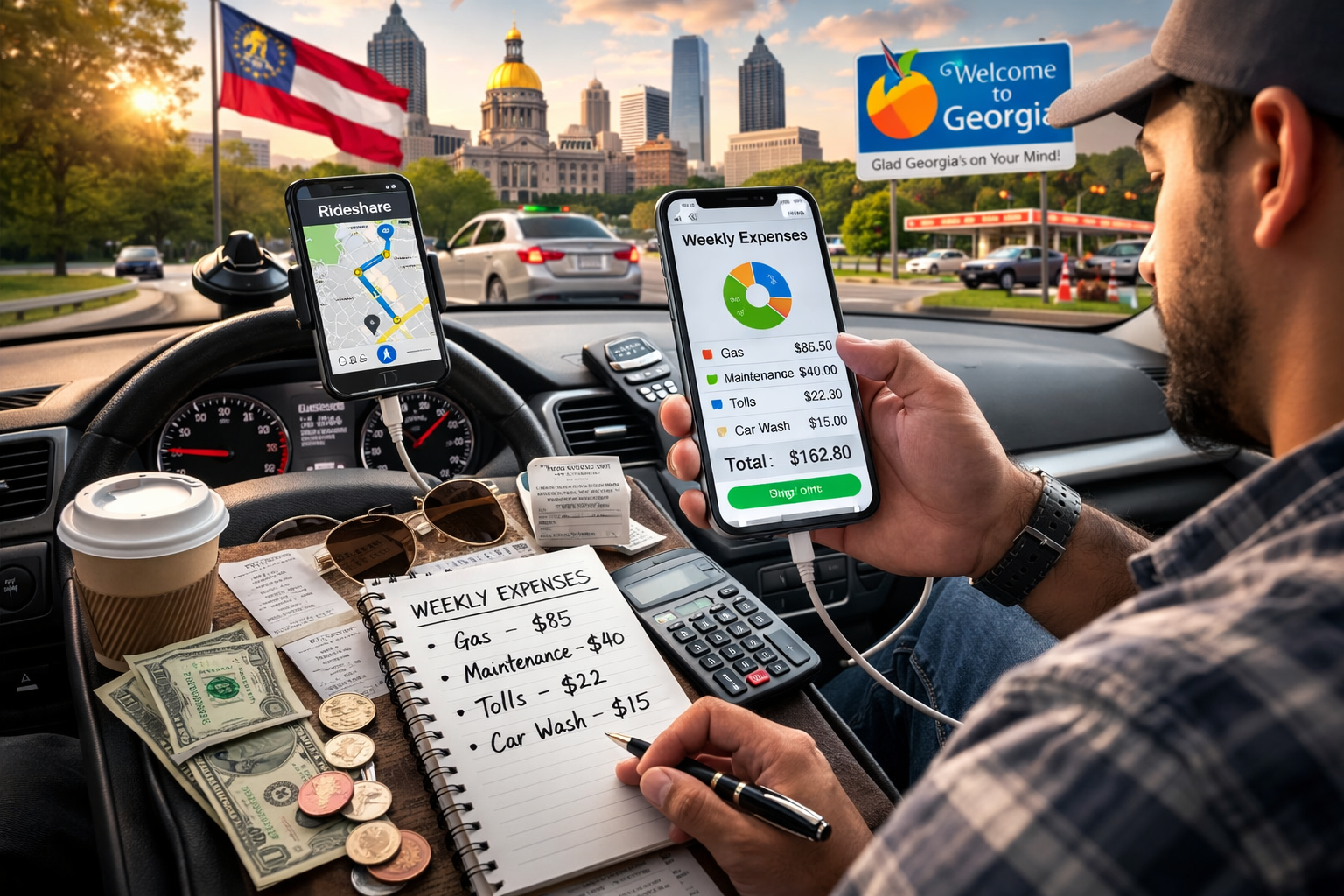
Rideshare driving can be a great way to earn flexible income, but understanding your expenses is essential to making a real profit. Many drivers focus only on how much they earn, but successful drivers know that tracking weekly expenses is just as important.
For drivers in Georgia, especially those using rental vehicles from Evolution Rides4000, managing expenses properly can help maximize income and avoid financial surprises.
Here’s a complete guide to the most important weekly expenses every rideshare driver should track.
Why Tracking Expenses Matters
Tracking expenses helps drivers:
Understand true profit (not just earnings)
Identify areas to save money
Plan better driving schedules
Avoid unexpected financial stress
Without proper tracking, it’s easy to overestimate how much you’re actually earning.
Fuel Costs
Fuel is one of the biggest weekly expenses for rideshare drivers. The more you drive, the more you spend on gas.
Tips to manage fuel costs:
Use fuel-efficient vehicles
Avoid unnecessary driving between rides
Plan routes to reduce mileage
Drivers using vehicles from Evolution Rides4000 in Georgia often benefit from fuel-efficient models that help reduce overall fuel expenses.
Rental Fees or Vehicle Costs
If you’re renting a car, your weekly rental fee is a fixed expense you must track.
With Evolution Rides4000, rental pricing is typically predictable, making it easier to budget compared to unexpected repair costs from personal vehicles.
If you own your car, you should track:
Loan payments
Depreciation
Maintenance costs
Maintenance and Repairs
Even though rental vehicles often include maintenance, drivers should still track minor upkeep costs such as:
Car cleaning supplies
Tire checks
Small repairs (if applicable)
If using a personal car, maintenance costs can include:
Oil changes
Brake replacements
Tire replacements
These expenses can add up quickly over time.
Insurance Costs
Insurance is another important expense to monitor. Rideshare drivers may need additional coverage beyond standard personal insurance.
Rental programs may include insurance, which simplifies expense tracking and reduces the need for separate policies.
Car Cleaning and Upkeep
Keeping your vehicle clean is essential for maintaining high ratings and providing a great passenger experience.
Weekly cleaning expenses may include:
Car washes
Interior cleaning supplies
Air fresheners
A clean vehicle can lead to better ratings and higher tips.
Tolls and Parking Fees
Depending on where you drive, toll roads and parking fees can become regular expenses.
Drivers should:
Track toll expenses daily or weekly
Include parking fees when picking up passengers in busy areas
These costs may seem small individually but can add up over time.
Mobile Data and Phone Costs
Rideshare drivers rely heavily on smartphones for navigation, ride requests, and communication.
Weekly expenses may include:
Mobile data plans
Phone accessories (chargers, mounts)
Reliable connectivity is essential for efficient rideshare driving.
Food and Break Expenses
Drivers working long hours often spend money on meals or snacks during shifts.
To manage this expense:
Plan meals ahead of time
Bring snacks or drinks from home
Limit unnecessary spending
Controlling food expenses can improve overall profitability.
Platform Fees and Commissions
Uber and Lyft take a percentage of each ride. While this is automatically deducted, it’s still important to understand how much you’re paying in platform fees.
Tracking this helps drivers:
Calculate true earnings
Compare different driving strategies
Set realistic income goals
Miscellaneous Expenses
Other smaller expenses may include:
Vehicle accessories
Emergency supplies
Subscription apps (navigation, tracking tools)
Keeping track of these ensures nothing is overlooked.
How to Track Your Expenses Effectively
To stay organized, drivers can use:
Spreadsheet tools (Excel or Google Sheets)
Expense tracking apps
Weekly expense summaries
Tracking expenses weekly (instead of monthly) helps drivers stay on top of their finances.
Why Many Drivers Choose Evolution Rides4000
Drivers in Georgia often choose Evolution Rides4000 because it simplifies expense management.
Benefits include:
Predictable rental costs
Maintenance support
Reliable rideshare-ready vehicles
This makes it easier to focus on earning rather than worrying about unexpected expenses.
Final Thoughts
Tracking weekly expenses is one of the most important habits for rideshare drivers who want to succeed. Understanding where your money goes helps you make better decisions, reduce costs, and increase profits.
With support from Evolution Rides4000 in Georgia, drivers can simplify many of these expenses and focus on building a profitable rideshare career.
By staying organized and monitoring your weekly costs, you can turn rideshare driving into a sustainable and rewarding source of income.